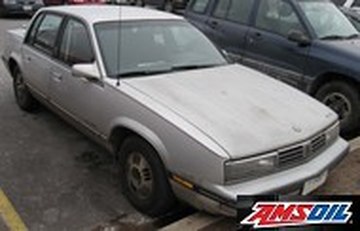
Maintaining Lubrication Standards for the 1982 Oldsmobile CALAIS 4.4L
Proper engine maintenance is a cornerstone of long-term vehicle health, particularly when managing an engine from the early 1980s. For the 1982 Oldsmobile CALAIS equipped with the 4.4L engine, consistent attention to lubrication and routine inspections can help ensure the mechanical components continue to operate as intended.Monitoring Fluid Integrity and Potential Leaks
One of the most effective ways to monitor the health of a vehicle's lubrication system is through regular visual inspections. Rather than waiting for a warning light or a significant loss of fluid, an owner can proactively look for signs of seepage around various engine components. When performing routine checks, it is useful to inspect the area surrounding gaskets and seals. Over time, heat cycles and age can affect the ability of these components to maintain a perfect seal. If you notice any dampness or oily residue on the engine block or near sealing surfaces, it warrants closer investigation. Similarly, checking for evidence of fluid leakage on the ground beneath where the vehicle is parked can provide an early indication that a component may need attention. It is also beneficial to observe the appearance of the oil itself during regular checks. While some level of darkening is expected as oil undergoes its service life, significant changes in texture or the presence of unusual contaminants should be noted. If you encounter any unexpected mechanical noises or notice changes in how the engine behaves shortly after a service, these are important indicators that should be investigated to determine the underlying cause.Prioritizing Maintenance Based on Current Condition
As vehicles age, maintenance strategies often shift from strictly following a calendar-based schedule to a more condition-based approach. For an owner of a 1982 Oldsmobile CALAIS, this means prioritizing tasks based on what the vehicle actually requires at any given moment. If you are stepping into ownership without a complete service history, establishing a maintenance baseline is a practical first step. This involves reviewing any available records to see when fluids were last changed and what repairs have been performed. If documentation is incomplete, performing a thorough inspection of all major service points—such as checking the condition of accessible belts (if equipped) and inspecting various hoses for signs of deterioration—can help create a clear picture of the vehicle's current state. Rather than replacing parts simply because they are old, focus on addressing active concerns first. This includes attending to any identified leaks, investigating unusual symptoms, or performing overdue lubrication services. Distinguishing between necessary preventive maintenance and unnecessary component replacement is key to efficient long-term ownership.Observing Potential Operational Indicators
While many issues can be caught through visual inspection, some signs of concern may only manifest during vehicle operation. It is important to remain observant of how the 4.4L engine responds to different driving conditions. Changes in lubricant consumption are a significant indicator that should not be ignored. If you find yourself needing to add oil more frequently than previously observed, this warrants an inspection of the engine's sealing components and overall condition. Furthermore, any evidence of overheating or changes in exhaust characteristics can sometimes be linked to the broader health of the engine's lubrication and cooling systems. Because many different mechanical issues can produce similar symptoms, it is vital not to jump to a single conclusion. For example, an unusual sound or a change in performance may indicate several different things, ranging from a minor adjustment being needed to a more significant component requiring service. Always treat new symptoms as a prompt for a professional diagnosis rather than a definitive proof of a specific part failure.The Role of Consistent Lubrication Management
Effective lubrication management involves more than just changing the oil; it is about ensuring that the lubricant used provides the necessary protection against friction and heat. Even in older engines, the quality of the oil plays a vital role in managing the internal environment. Maintaining clean oil helps to mitigate the buildup of deposits and sludge, which can occur as oil breaks down over time due to heat and oxidation. By adhering to a consistent service routine, you help ensure that the engine remains free of contaminants that could otherwise interfere with smooth mechanical operation. Furthermore, using an appropriate lubricant helps manage the thermal stresses placed on engine components during operation.Effective Record Keeping for Long-Term Ownership
For those committed to the long-term care of their 1982 Oldsmobile CALAIS, maintaining a detailed service log is highly beneficial. A well-kept record provides a historical view of the vehicle's needs and can prevent the accidental omission of important maintenance tasks. Documenting every oil change, filter replacement, and mechanical repair allows you to track patterns. For instance, if you notice that certain components require more frequent attention, your records will help you identify these trends over months or years. This information is also invaluable if you ever decide to pass the vehicle on to a new owner, as it demonstrates a history of consistent care and provides them with a reliable baseline for future maintenance.Practical Guidance for BUYING ENGINE OIL for your 1982 Oldsmobile CALAIS 4.4L
When it is time to replenish your engine's lubricant, the most important step is to ensure the product matches the specific requirements of your engine. Because different engines have unique needs regarding viscosity and additive packages, you should never rely on general automotive knowledge or assumptions based on the vehicle's age. To select the correct product, match the engine oil to the application-specific viscosity information already displayed on this webpage. Before finalizing your purchase, always check the product labeling to verify that the oil meets the appropriate quality standards and certifications. Depending on your specific needs and the current condition of your engine, you may encounter various formulations, including:- Conventional oils
- Synthetic blends
- Full synthetic oils
- High-mileage formulations, which some contain additives intended for use in aging engines or include seal-conditioning additives.